As we embark on a new era of space exploration with the Artemis program, it is crucial to examine the lessons learned from the Apollo missions, the gaps in our collective memory, and the future potential for lunar exploration. This reflection not only informs the scientific community but also educates and inspires those who will carry the torch of discovery forward. By revisiting these landmark moments in Moon and space history, we can build on past achievements while avoiding previous oversights, paving the way for a more inclusive and sustained exploration of our universe.
The Apollo program, a cornerstone of human space exploration, set a precedent for what can be achieved through determination and innovation. By understanding both its successes and its shortcomings, we can better equip ourselves for the challenges and opportunities that lie ahead. This analysis serves as a bridge between past achievements and future aspirations, ensuring that the spirit of discovery remains vibrant and forward-looking.
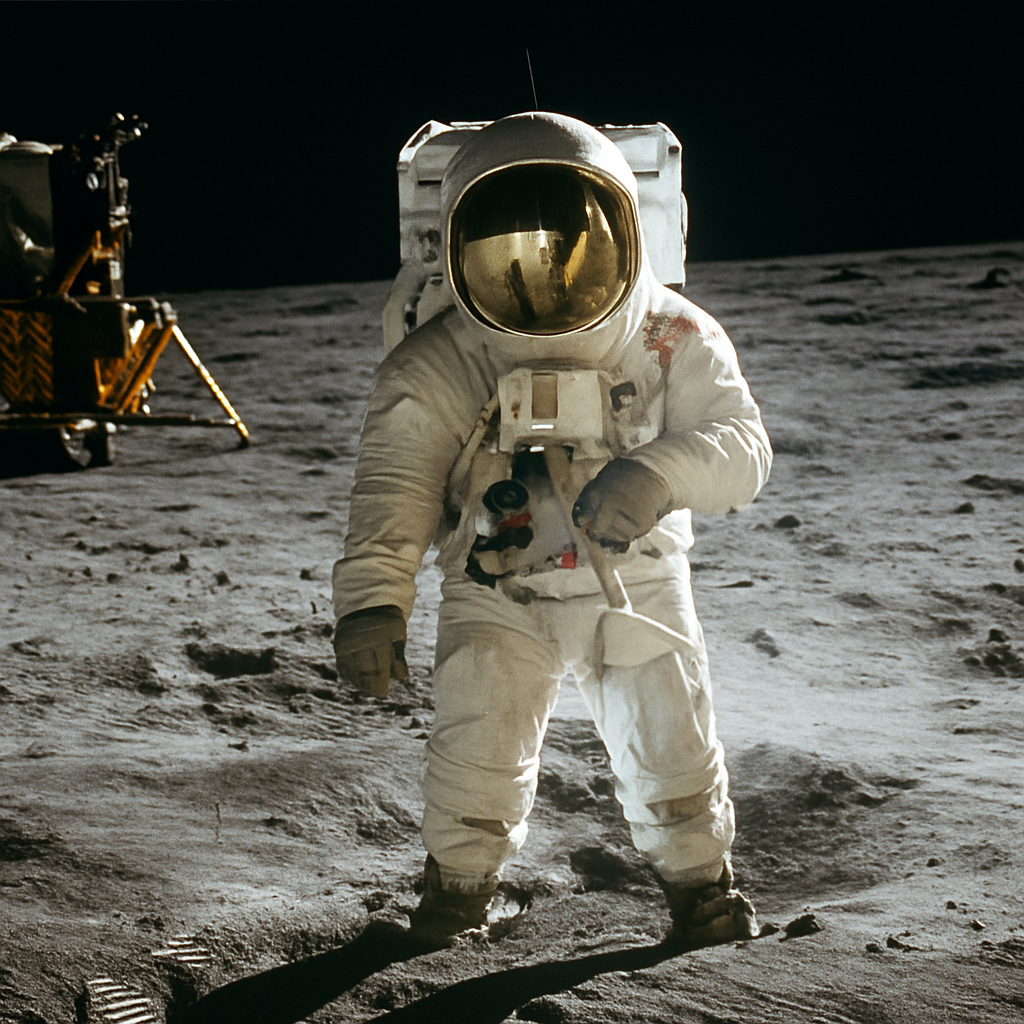
The Apollo missions were also a testament to the spirit of exploration and scientific curiosity that drives humanity forward. The images of astronauts on the lunar surface became symbols of human achievement, inspiring generations to dream of what lies beyond our planet. The program’s success was a defining moment in the 20th century, showcasing the potential of collaborative effort and visionary thinking in expanding our horizons.
Triumphs of Apollo
The Apollo missions yielded extraordinary scientific and technological advancements. The program facilitated a deeper understanding of the Moon’s geology, revealing insights about its formation and evolution. Notably, the collection of lunar samples enabled planetary scientists to theorize about the Moon’s volcanic activity and its relation to Earth’s geological history. These samples provided invaluable data that continues to inform our understanding of planetary science and the early solar system.
Moreover, Apollo stimulated technological innovations, including developments in computing, materials science, and telecommunications. These advancements have had far-reaching impacts beyond space exploration, contributing to fields such as medicine and environmental science. The technologies developed for Apollo, like miniaturized electronics and advanced materials, laid the groundwork for future innovations that have become integral to modern life, proving that investment in space technology can yield broad societal benefits.
Lessons We Learned at the Moon
The success of Apollo underscored the importance of international collaboration, robust scientific inquiry, and sustained investment in research and development. The program’s achievements demonstrated the transformative power of human ingenuity and the potential for peaceful exploration beyond our planet. Apollo’s legacy highlighted how concerted efforts in science and technology could unite nations and inspire collective progress.
Additionally, Apollo taught us the value of setting ambitious goals and working tirelessly to achieve them. The program showed that with the right resources and determination, humanity could reach new heights and solve complex problems. These lessons remain relevant today, as we face global challenges that require innovative solutions and international cooperation.
The Gaps: What We Forgot
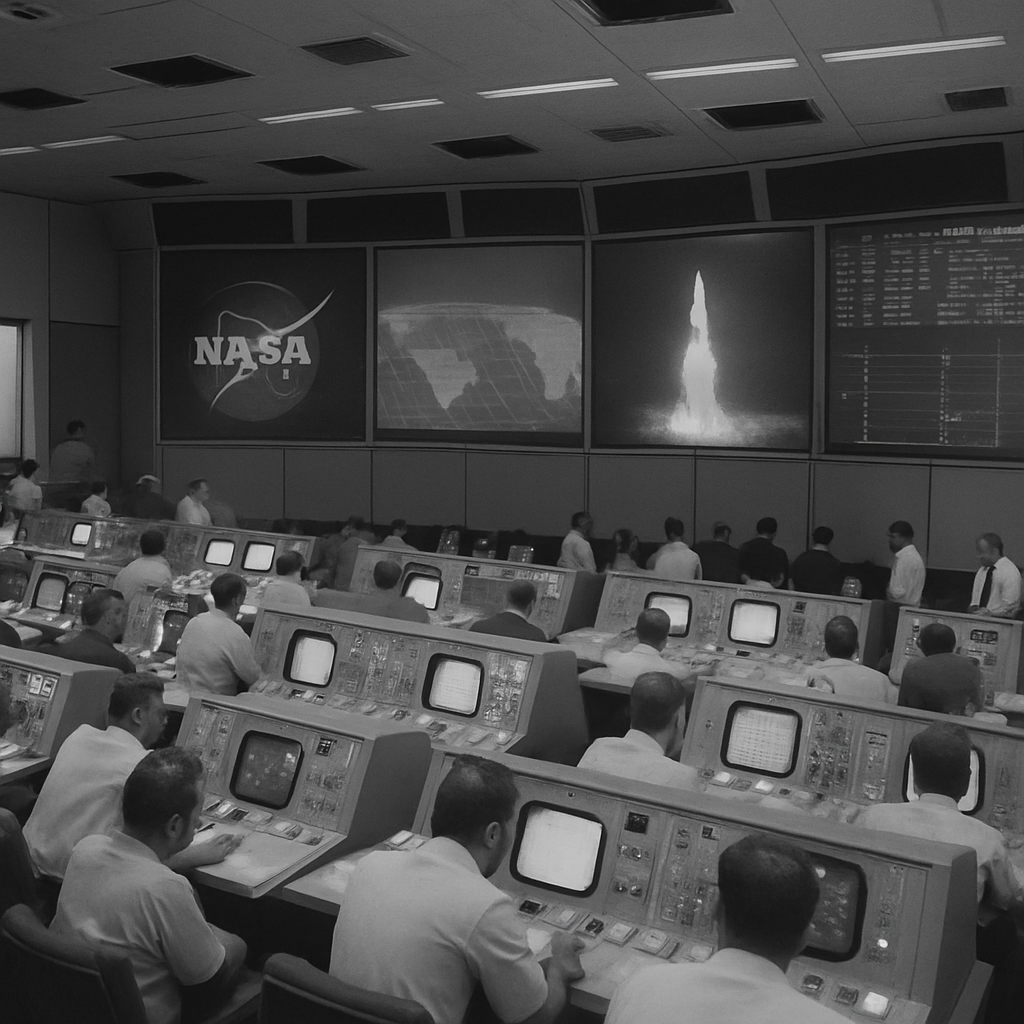
Despite Apollo’s successes, certain aspects of the program and its findings have faded from public consciousness or were overlooked in subsequent decades. As we move forward with new initiatives like Artemis, it is essential to revisit these forgotten elements to avoid repeating past mistakes and to build on the foundation laid by Apollo.
Reflecting on these gaps allows us to recognize the importance of continuous engagement with the public and policymakers to maintain interest and investment in space exploration. Understanding what was left behind in the Apollo era can help us address these issues in current and future programs, ensuring sustained progress and innovation.
Missed Opportunities
One of the most significant oversights post-Apollo was the neglect of continued lunar exploration and the establishment of a sustainable human presence on the Moon. The cessation of lunar missions resulted in a gap in knowledge and technological progress that could have further expanded our understanding of both the Moon and Earth. By not maintaining a presence on the Moon, we missed opportunities to develop infrastructure that could have propelled further exploration and scientific discovery.
Additionally, public interest and support for space exploration waned after the initial excitement of the Moon landings. This decline emphasized the need for continuous advocacy and education to sustain momentum and investment in space programs. As the excitement faded, so did the funding and political will necessary to continue exploration efforts, highlighting the importance of building a lasting public connection to space initiatives.
Forgotten Lessons
The Apollo era highlighted the fragility of human life in space and the necessity of rigorous safety protocols. However, the intervening years have seen challenges in maintaining these high standards, as evidenced by later spaceflight incidents. Revisiting and reinforcing these lessons is paramount to the success of future missions. Ensuring that safety remains a top priority will protect the lives of astronauts and enhance the credibility and success of space programs.
Moreover, Apollo demonstrated the importance of adaptability and learning from past missions to improve future outcomes. While some lessons have been retained, others have been neglected, leading to repeated challenges in subsequent programs. By revisiting these forgotten lessons, we can strengthen the foundation for Artemis and future exploration efforts, ensuring that past mistakes do not hinder future progress.
Artemis: Charting a New Course
With the Artemis program, NASA aims to rekindle the spirit of exploration and address the unfinished business of Apollo. The program aspires to return humans to the Moon, establish a sustainable presence, and pave the way for future Mars exploration. By drawing on the successes and lessons of Apollo, Artemis seeks to create a more robust and enduring framework for space exploration.
Artemis represents a bold vision for the future of space exploration, one that builds on past achievements while incorporating new priorities and technologies. This program signals a renewed commitment to exploring the lunar surface and beyond, with the ultimate goal of expanding humanity’s presence in the solar system.
Goals and Innovations
Artemis seeks to achieve several ambitious objectives: landing the first woman and the next man on the Moon, developing sustainable exploration infrastructure, and fostering international collaboration. These efforts are underpinned by cutting-edge technologies, including the Space Launch System (SLS), the Orion spacecraft, and the Lunar Gateway. These innovations are designed to support long-term exploration and habitation of the Moon, setting the stage for future missions to Mars and beyond.
Artemis also emphasizes inclusivity and diversity, striving to inspire a new generation of scientists and engineers from all backgrounds. This represents a paradigm shift toward a more equitable and globally representative approach to space exploration. By highlighting the contributions of diverse teams and individuals, Artemis aims to create a more inclusive culture within the space community, ensuring that the benefits of exploration are shared by all.
What Comes Next
Looking forward, the Artemis program envisions a future where lunar exploration serves as a stepping stone to Mars and beyond. The program’s emphasis on sustainability and international cooperation sets the stage for long-term exploration efforts that could unlock new scientific discoveries and technological innovations. By establishing a permanent presence on the Moon, Artemis aims to create opportunities for research, resource utilization, and technological development that will benefit humanity as a whole.
As Artemis progresses, the program will continue to inspire a new generation of explorers and innovators. By building on the legacy of Apollo and addressing the gaps left behind, Artemis has the potential to redefine what is possible in space exploration and to expand our understanding of the universe. This forward-looking approach ensures that space exploration remains a dynamic and evolving field, capable of adapting to new challenges and opportunities.
The Broader Impact: Inspiring the Next Generation

The legacy of Apollo and the promise of Artemis offer valuable opportunities for educators, policymakers, and researchers to inspire and engage the public. By leveraging the stories and achievements of these programs, we can foster a culture of curiosity and innovation that transcends generations.
These initiatives provide a unique platform to connect with diverse audiences, sparking interest in science, technology, engineering, and mathematics (STEM) fields. By emphasizing the broader societal impact of space exploration, we can inspire future leaders and innovators to pursue careers that contribute to the advancement of knowledge and the betterment of society.
Educators: Sparking Curiosity
High school science teachers can leverage the narrative of space exploration to create dynamic lesson plans that encourage students to explore the universe’s mysteries. By integrating the stories of Apollo and Artemis, educators can foster critical thinking and curiosity, transforming the classroom into a launchpad for future explorers. These stories offer compelling case studies that illustrate the power of perseverance, innovation, and teamwork in achieving monumental goals.
Moreover, educators can use space exploration as a catalyst for interdisciplinary learning, connecting scientific concepts with historical, cultural, and ethical discussions. By making these connections, teachers can create a more holistic learning experience that engages students and prepares them for the challenges of the future. This approach not only enhances students’ understanding of the world but also inspires them to contribute to its exploration and preservation.
Advocates: Building Support
Science policy advocates can use the achievements and aspirations of these programs to articulate the importance of investing in scientific research and exploration. By highlighting the tangible benefits of these endeavors, advocates can build a compelling case for increased support from policymakers and the general public. This support is crucial for ensuring the continued success and growth of space programs, which rely on sustained funding and political backing.
Advocates can also emphasize the role of space exploration in addressing global challenges, such as climate change, resource management, and technological innovation. By framing space exploration as a catalyst for solving pressing issues on Earth, advocates can garner broader support and engagement from diverse stakeholders. This approach highlights the interconnectedness of space and terrestrial concerns, reinforcing the value of investment in space exploration.
Researchers: Bridging the Gap
Planetary science researchers have a unique opportunity to communicate their findings in ways that resonate with non-specialist audiences. By translating complex scientific concepts into accessible narratives, researchers can enhance public understanding and appreciation of the field, reinforcing the value of curiosity-driven research. This communication is essential for building public support and fostering a culture of scientific literacy and inquiry.
Researchers can also collaborate with educators and advocates to create educational materials and outreach programs that engage diverse audiences. By sharing their passion and expertise, scientists can inspire the next generation of explorers and innovators, ensuring that the legacy of space exploration continues to thrive. This collaborative approach fosters a community of learners and advocates who are committed to advancing our understanding of the universe.
Conclusion: A New Dawn for Space Exploration
The juxtaposition of Artemis and Apollo invites us to reflect on the past and look toward the future with renewed optimism. As we stand on the cusp of a new era in space exploration, the lessons learned, the gaps acknowledged, and the hopes for the future converge to illuminate the path forward. Through sustained commitment to discovery and education, we can ensure that the legacy of these programs continues to inspire generations to come.
By embracing the spirit of exploration and innovation that defined Apollo and now drives Artemis, we have the opportunity to expand our understanding of the universe and our place within it. This new dawn for space exploration promises to unlock new frontiers and possibilities, enriching our knowledge and enhancing our capacity to address global challenges. As we move forward, the legacy of Apollo and the promise of Artemis will guide us toward a future where space exploration is an integral part of our shared human journey.
Further Reading:
The Hidden and Powerful Truth About Space Science

